ROBINA'S WALK AROUND STEEPLE ASTON
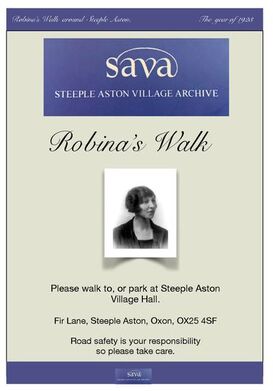
SAVA has produced a walk around the village that you can do at any time. A copy can be sent to you digitally on request with an answer sheet included at a cost of £5, or you can purchase at Steeple Aston's shop.
The walk is guided by Robina, a resident in 1923, who walks you around the village noting places and people of interest 100 years ago. The walk includes finding answers to questions of things you can see in 2023.
Starts and finishes at the Village Hall - site of Dr Radcliffe School in 1923.
BUY YOUR WALK HERE - only £5.00
The walk is guided by Robina, a resident in 1923, who walks you around the village noting places and people of interest 100 years ago. The walk includes finding answers to questions of things you can see in 2023.
Starts and finishes at the Village Hall - site of Dr Radcliffe School in 1923.
BUY YOUR WALK HERE - only £5.00
LATEST BOOK ON SALE
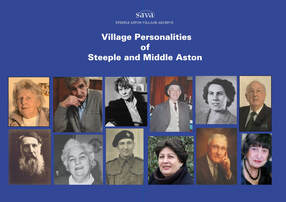
SAVA's exhibition "Village Personalities of Steeple and Middle Aston" was shown on the weekend of November 12/13th 2022.
Every village has its characters, but few of them are properly recorded for posterity. SAVA tells the stories of 38 significant individuals - including village "stalwarts" from 1522 to 2022, those who made it to the "wider stage" (including Iris Murdoch), and a few of the more controversial figures. SAVA's book of the exhibition, together with all its other publications is now on sale, available from this website (see Shop).
Every village has its characters, but few of them are properly recorded for posterity. SAVA tells the stories of 38 significant individuals - including village "stalwarts" from 1522 to 2022, those who made it to the "wider stage" (including Iris Murdoch), and a few of the more controversial figures. SAVA's book of the exhibition, together with all its other publications is now on sale, available from this website (see Shop).
HOUSES THROUGH TIME
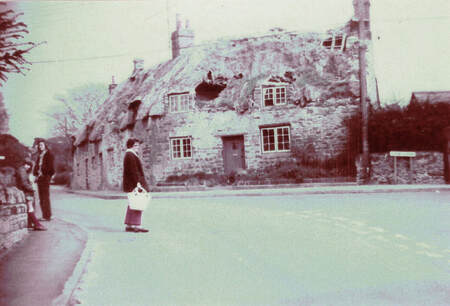
The 2021 Exhibition in Steeple Aston Village Hall told the stories of nine houses in the villages of Steeple and Middle Aston. The ordinary and extraordinary lives of their occupants, over hundreds of years, is told alongside the history of changes they made to the buildings.
The exhibition panels can be viewed here.
The exhibition panels can be viewed here.
STEEPLE ASTON AT WORK
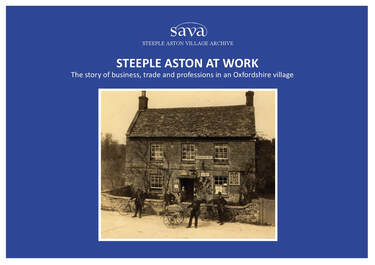
With 44 pages full of detail and photos, the book covers the history of
business, trade and professions in the two parishes up to the present
day, including snippets from interviews with people from current and
past generations. From Post Office work to brickmakers, and
publicans to doctors, the book covers most aspects of village life,
past and present.
Go to our shop here to order your copy. Price: £9.95
With 44 pages full of detail and photos, the book covers the history of
business, trade and professions in the two parishes up to the present
day, including snippets from interviews with people from current and
past generations. From Post Office work to brickmakers, and
publicans to doctors, the book covers most aspects of village life,
past and present.
Go to our shop here to order your copy. Price: £9.95
VILLAGE HISTORY CENTRE
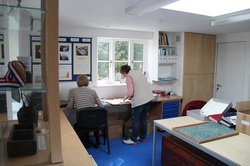
SAVA's Village History Centre opened in September 2013, and regularly attracts visitors from the village and far afield. It is open every Saturday morning from 10.00 until 12.00, and we
welcome all who would like to explore more about Steeple and Middle Aston.
The Centre houses an extensive archive of documents, photos and family history information, maps and other historical material relating to the two villages. It is all available for inspection and further research, mainly free of charge. Please drop in when you can.
If you have photos, documents or other material that you think we might like to see, please don't hesitate to visit us - adjacent to the Village Hall in Fir Lane, or contact us.
welcome all who would like to explore more about Steeple and Middle Aston.
The Centre houses an extensive archive of documents, photos and family history information, maps and other historical material relating to the two villages. It is all available for inspection and further research, mainly free of charge. Please drop in when you can.
If you have photos, documents or other material that you think we might like to see, please don't hesitate to visit us - adjacent to the Village Hall in Fir Lane, or contact us.
